
Understanding SAE Flange vs. JIC Fittings
Learn the key differences between SAE and JIC fitting standards. We'll cover pre-installation checks, pressure ratings, and common compatibility mistakes.
Read More
Regular maintenance extends equipment life and prevents downtime. Learn the inspection schedule, common wear patterns, and replacement procedures that keep systems running.
Author
Editorial Team
Written by the vestroline editorial team, focused on practical, honest guidance for industrial hydraulic hose and fitting needs.
Hydraulic systems don't fail without warning. They show signs first — small leaks, slower response times, temperature spikes. The problem is that most people don't notice these signals until something breaks. That's when downtime costs money.
Here's what we see in the field: factories that run preventive checks every month catch issues before they become emergencies. Their equipment lasts longer. Their repair bills are smaller. And they don't lose production when a system goes down unexpectedly.
The math is simple. A 30-minute inspection routine beats a 4-hour emergency repair every single time.

Different components need different attention cycles. We're not talking about a one-size-fits-all approach — hydraulic systems are complex, and the maintenance rhythm depends on what's running.
Takes 5 minutes. Catches 80% of problems early.
Takes 20-30 minutes. Prevents filter clogging.
Takes 45 minutes. Tracks system health over time.
This guide provides educational information about hydraulic system maintenance practices. It's designed to help you understand general maintenance concepts and inspection schedules. Every hydraulic system is unique — factors like age, usage intensity, operating environment, and equipment specifications all affect your specific maintenance needs. Always consult your equipment manufacturer's maintenance manual and follow their recommendations. If you're uncertain about any maintenance procedure, contact a qualified hydraulic technician. Safety should always come first when working with pressurized systems.
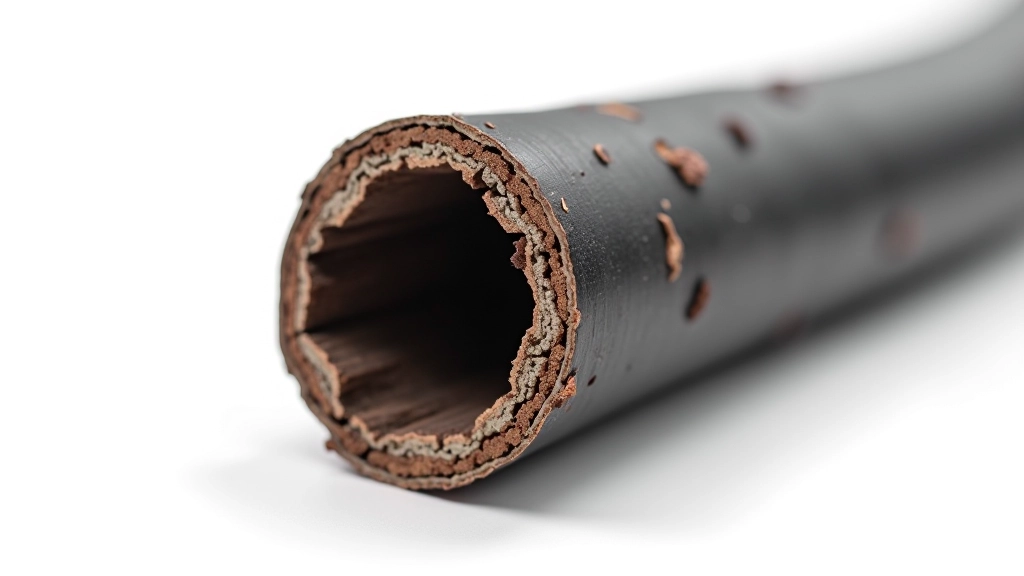
Wear doesn't happen all at once. It follows predictable patterns that you can spot if you know what to look for. The hose that fails without warning usually had warning signs for weeks.
Fluid discoloration is the first indicator. New hydraulic fluid is clear or amber-tinted. When it turns dark brown or black, you've got oxidation happening. That means heat and age are breaking down the fluid's protective properties. Change the fluid before it gets to this point — ideally at 1,000-2,000 operating hours depending on your system.
Hose degradation shows up as swelling, hardening, or visible cracks in the outer cover. Don't wait for leaks to appear. If you see surface cracking, the hose is near failure. Replace it during your next maintenance window, not when it ruptures during a critical operation.
Seal deterioration is subtle but critical. Look for weeping — tiny drops forming at connection points. That's your signal to replace seals before you get a full leak.
Changing components correctly matters more than how often you change them. A poorly installed fitting creates new problems.
Close all isolation valves. Open bleed valves. Let pressure drop to zero. Pressurized systems hide hydraulic fluid that can shoot out with dangerous force. This isn't optional — it's the difference between a safe procedure and an injury.
Use a lint-free cloth. Wipe down the fitting area thoroughly. Contamination is the enemy of hydraulic systems. A single grain of dirt in a new seal causes premature wear. This step takes two minutes and prevents failures months later.
Wrong-size wrenches damage fitting edges. Damaged fittings leak. Use the exact wrench size specified for your fitting type — SAE or JIC, they're different. If you're not sure which type you have, look at the flange shape or check your equipment documentation.
New seals, new washers, new hose. Don't reuse old seals thinking you'll save money. Seals are designed for one installation. Reusing them costs more in downtime than replacement. Tighten connections firmly but not aggressively — you're looking for a snug fit, not maximum force.
Repressurize slowly. Check for leaks at quarter pressure, half pressure, then full pressure. If you see any dripping, stop. Depressurize and check your installation. A leak caught at 50% pressure is a five-minute fix. A leak that develops at full pressure during operation is a catastrophe.
You don't need an expensive lab to maintain hydraulic systems. But you do need the right basic tools. Guessing isn't maintenance — it's gambling with equipment reliability.
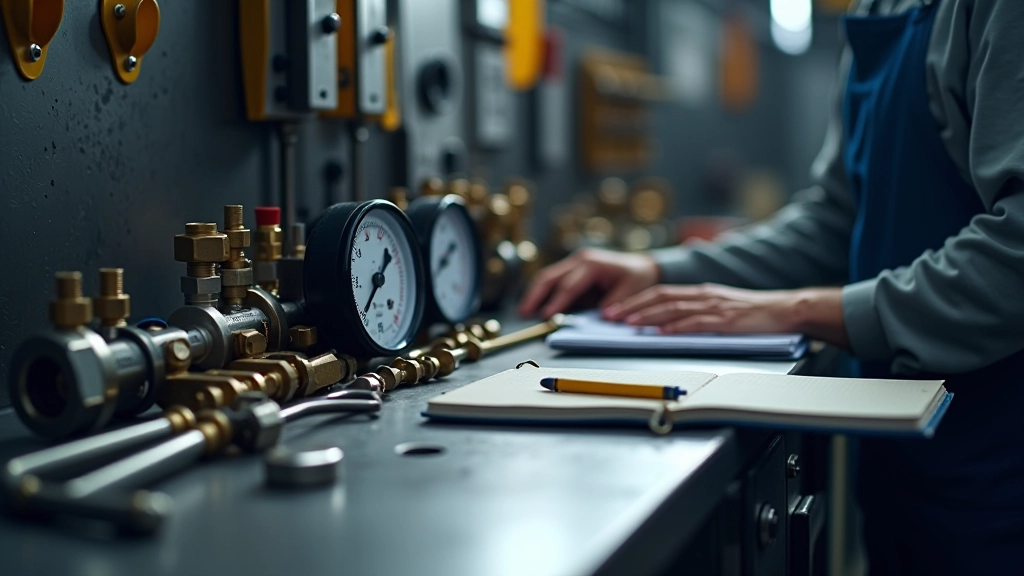
The factories that get the most from their hydraulic systems aren't using fancier equipment. They're using a consistent maintenance routine and actually following it. That's the difference between systems that run for 15 years and systems that fail at year 5.
Start with daily visual checks. They take five minutes and cost nothing. Move to weekly pressure testing once you've got the routine down. Then add monthly fluid analysis. Build the habit gradually, and it becomes automatic. Your team won't see it as extra work — they'll see it as part of normal operation.
The systems you maintain today are the systems that won't fail tomorrow. That's worth the effort.
Learn the key differences between SAE and JIC fitting standards. We'll cover pre-installation checks, pressure ratings, and common compatibility mistakes.
Read More
Step-by-step overview of proper hose assembly techniques. Covers measuring, cutting, fitting selection, and the crimping process for reliable connections.
Read More
Confused about PSI ratings and pressure classes? This guide breaks down how to match fitting pressure ratings to your system requirements.
Read More