
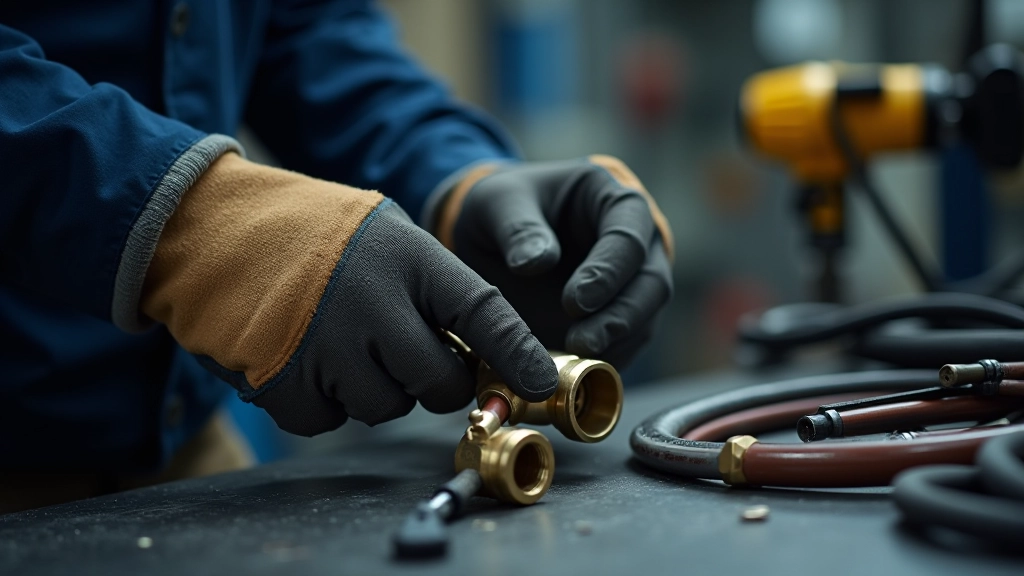
Hose Assembly Basics: What You Need to Know
Step-by-step overview of proper hose assembly techniques. Covers measuring, cutting, flaring, and securing connections correctly.
Learn the critical differences between SAE and JIC standards. We'll cover pressure ratings, thread types, and how to choose the right fitting for your hydraulic system.
Author
Written by the vestroline editorial team, focused on practical, honest guidance for industrial hydraulic hose and fitting needs.
SAE and JIC fittings look similar at first glance, but they're fundamentally different in how they seal and handle pressure. The confusion is understandable — both are common in hydraulic systems, both come in similar sizes, and you'll find them in the same supply catalogs. But mixing them up causes leaks, failed connections, and costly downtime.
The key difference? SAE fittings use a straight thread with an O-ring seal, while JIC fittings rely on a 37-degree flare and thread-to-thread contact. That single distinction affects pressure ratings, installation requirements, and compatibility. You can't simply swap one for the other — they won't work together reliably.
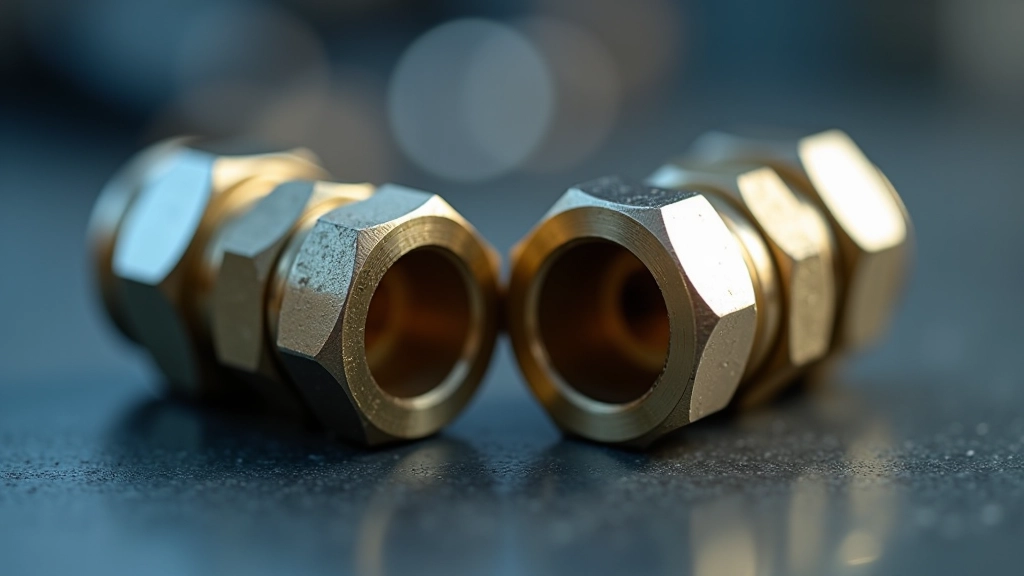
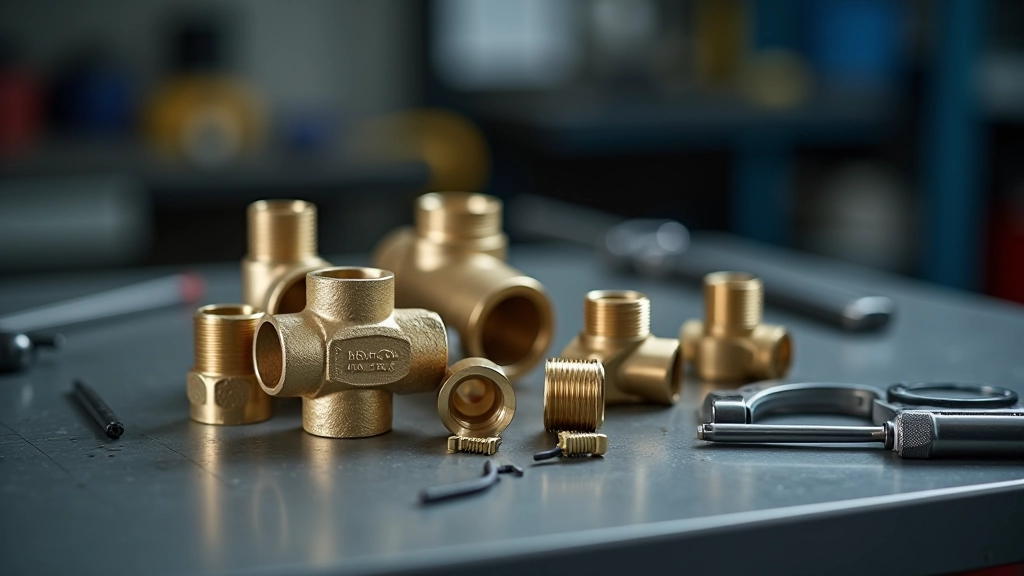
SAE fittings (Society of Automotive Engineers) feature straight threads on the fitting body, with an O-ring that compresses against the mating surface. The O-ring does the sealing work, not the threads themselves. This design handles pressure well and is relatively forgiving during installation — you don't need perfect flaring technique.
JIC fittings (Joint Industry Council) use a 37-degree flare on the tubing end. The flare and the fitting's internal cone create a metal-to-metal seal through direct contact. This approach gives you excellent pressure retention, but it's less forgiving. If your flare isn't cut properly, the seal fails. The threads on JIC fittings are designed to hold the flare in place, not to create the seal itself.
Pro tip: JIC fittings are often better for high-pressure systems (over 3000 PSI) because the metal-to-metal seal is more reliable. SAE with O-rings works great for general industrial applications and is easier to work with.
This article provides educational information about hydraulic fitting standards. Actual system specifications, pressure ratings, and fitting selection should be verified with your equipment manufacturer, system documentation, and qualified hydraulic technicians. System failures from incorrect fitting selection can cause injury or equipment damage.
SAE O-ring fittings typically handle pressures up to 4000 PSI depending on the specific product line and size. They're standard on most mobile equipment, agricultural machinery, and industrial systems running at moderate pressures. You'll find them on excavators, loaders, injection molding machines, and hydraulic presses.
JIC fittings often excel at higher pressures. A properly flared JIC connection can reliably seal at 5000 PSI or beyond, making them the choice for high-performance hydraulic systems, aerospace applications, and situations where the absolute seal integrity matters most. But this comes with a requirement: your tubing flares must be cut and formed correctly.
The real decision isn't always about maximum pressure. It's about what your system actually operates at and which standard is already installed in your equipment. Mixing them creates problems. Don't retrofit an SAE system with JIC fittings or vice versa — you'll have compatibility nightmares.
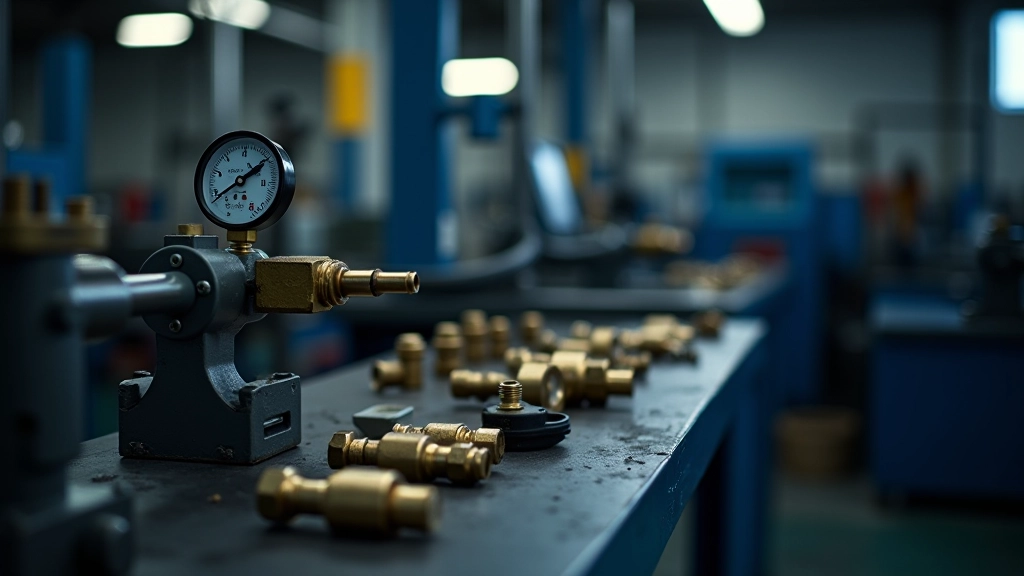
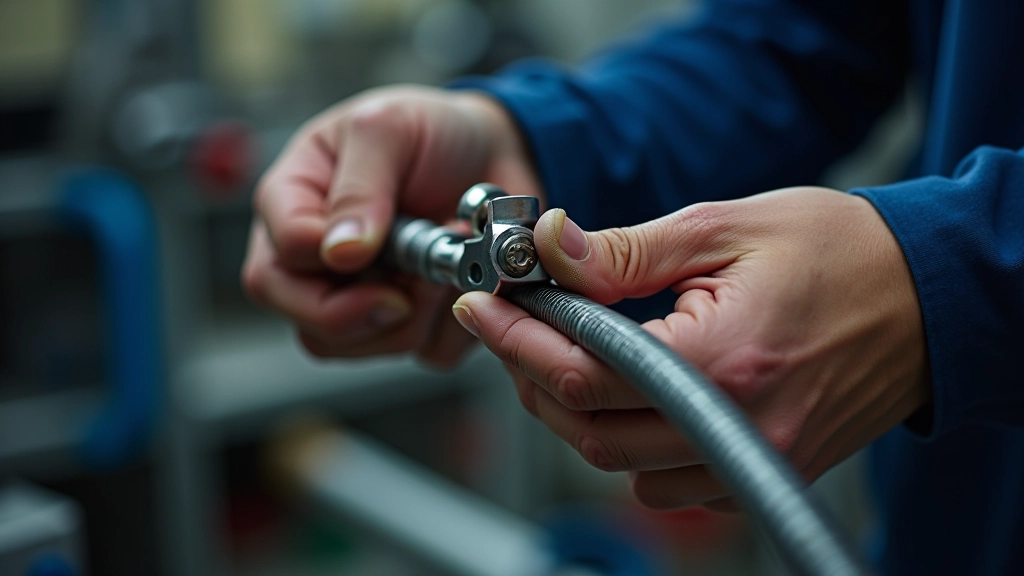
Installing SAE fittings is relatively straightforward. You slide the hose over the fitting barb, clamp it securely, and tighten the nut. The O-ring compresses as you turn the nut, creating the seal. Over-tightening isn't ideal, but it won't destroy the connection the way it can with JIC. You've got some margin for error.
JIC installation requires precision. Your tube end must be flared at exactly 37 degrees. Too shallow and the flare won't seal. Too deep and you risk cracking the tube. The flaring tool matters — cheap flares cause leaks. When you thread the fitting onto the flared end, tighten it firmly but don't over-torque. The flare itself does the sealing work, not brute force.
We've seen plenty of leaking systems caused by improper flaring technique. If you're assembling JIC systems regularly, invest in a quality flaring tool and take time to get it right. For occasional work, SAE O-ring connections give you better reliability without the precision requirement.
The decision usually isn't yours alone. Your equipment manufacturer specifies which standard to use, and that's what you should follow. But if you're designing a new system or upgrading components, here's what to consider:
Systems under 3000 PSI: SAE works fine. Over 4000 PSI: JIC becomes more attractive. In the 3000-4000 range, either can work — check your specific component ratings.
Your team has experienced technicians who regularly flare tubes? JIC works great. New technicians or occasional assembly? SAE O-ring fittings are more forgiving and reduce the chance of installation errors.
Industrial fixed systems and mobile equipment lean toward SAE. Aerospace, military, and high-performance applications favor JIC. Your equipment's original design dictates compatibility.
SAE O-ring seals can wear and be replaced. JIC flares can't be easily restored — a damaged flare means replacing the tubing end. Consider long-term maintenance costs.
SAE and JIC fittings aren't interchangeable, and pretending they are leads to frustration. Each has strengths: SAE O-ring connections are practical and forgiving, while JIC's 37-degree flare design excels at high pressures and demanding applications. The best choice isn't about one being superior — it's about matching the fitting standard to your actual system requirements and operational reality.
Before you order fittings for your next project, check what your equipment actually uses. Talk to your technicians about their comfort level with flaring and assembly. Look at your system's operating pressure and future expansion plans. Get these fundamentals right, and you'll avoid the leaks, failures, and downtime that come from mixing standards.
Step-by-step overview of proper hose assembly techniques. Covers measuring, cutting, flaring, and securing connections correctly.
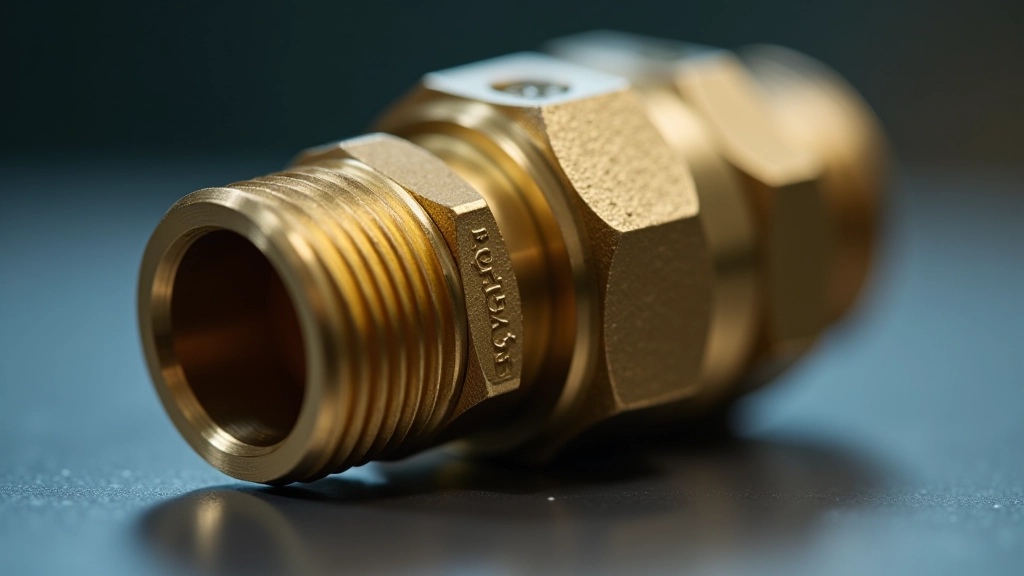
Confused about PSI ratings and pressure classes? This guide breaks down how to match fittings to your system's actual pressure requirements.
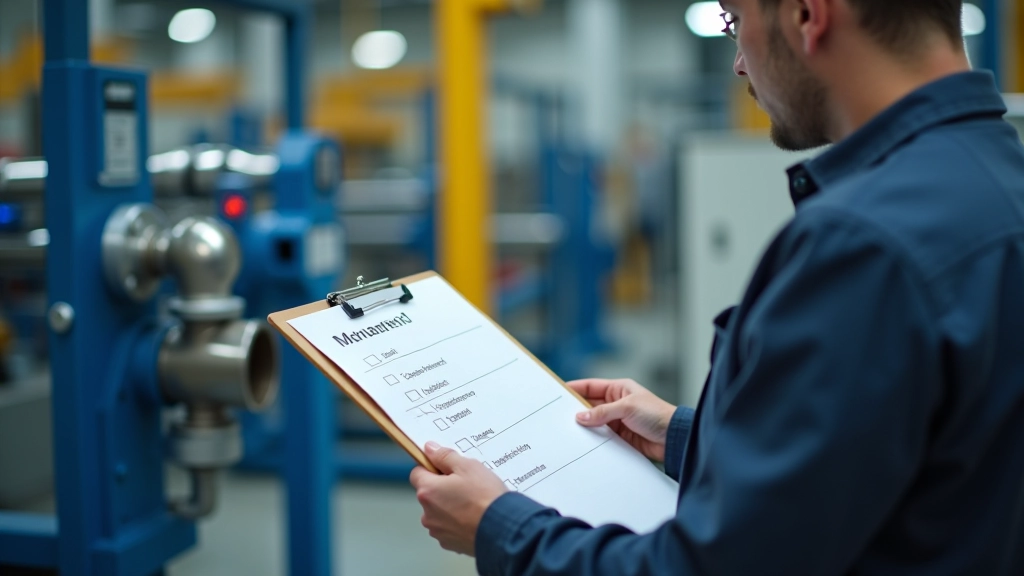
Regular maintenance extends equipment life and prevents downtime. Learn the inspection schedule and common issues to watch for.