
Understanding SAE Flange vs. JIC Fittings
Learn the key differences between SAE and JIC fitting standards. We'll cover pre-assembly compatibility, pressure ratings, and when to use each type.
Read More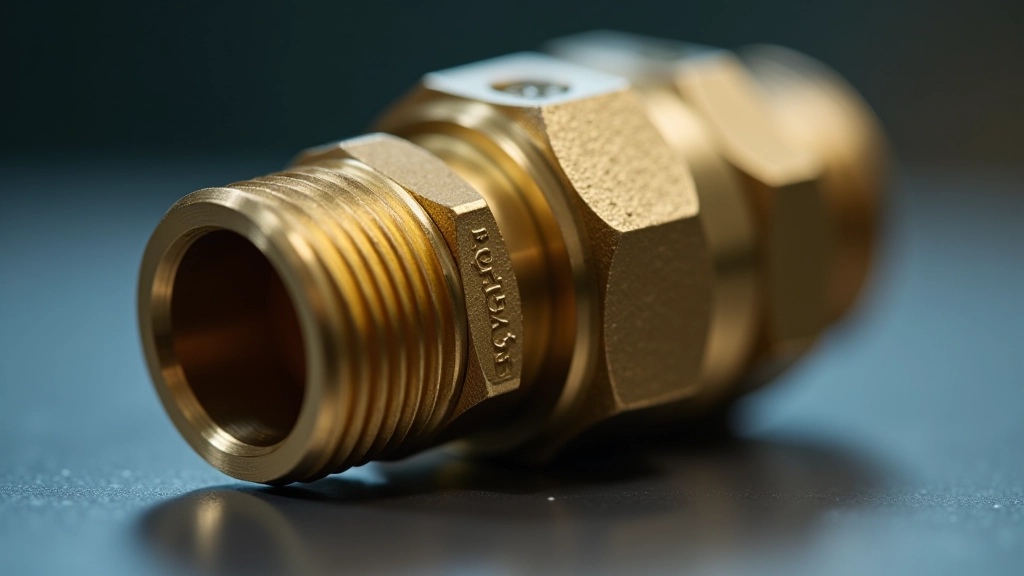
Confused about PSI ratings and pressure classes? This guide breaks down how to match fittings to your system requirements and avoid costly failures.
Author
Editorial Team
Written by the vestroline editorial team, focused on practical, honest guidance for industrial hydraulic hose and fitting needs.
Pressure ratings aren't just numbers on a spec sheet—they're the foundation of a safe, reliable hydraulic system. Get it wrong and you're looking at leaks, burst hoses, or worse. Get it right and your equipment runs smoothly for years.
The pressure rating tells you the maximum PSI (pounds per square inch) a fitting can safely handle. It's determined by the fitting's material, thread type, and design. You'll see ratings like 3000 PSI, 5000 PSI, or even 10,000 PSI on industrial fittings. These aren't theoretical limits—they're tested, proven numbers that manufacturers stand behind.
Here's the thing: your system's working pressure is almost never the same as the fitting's rated pressure. Most hydraulic systems operate well below their component ratings, which gives you a safety margin. That margin matters. It's what prevents catastrophic failures when pressure spikes occur during sudden valve closures or temperature changes.
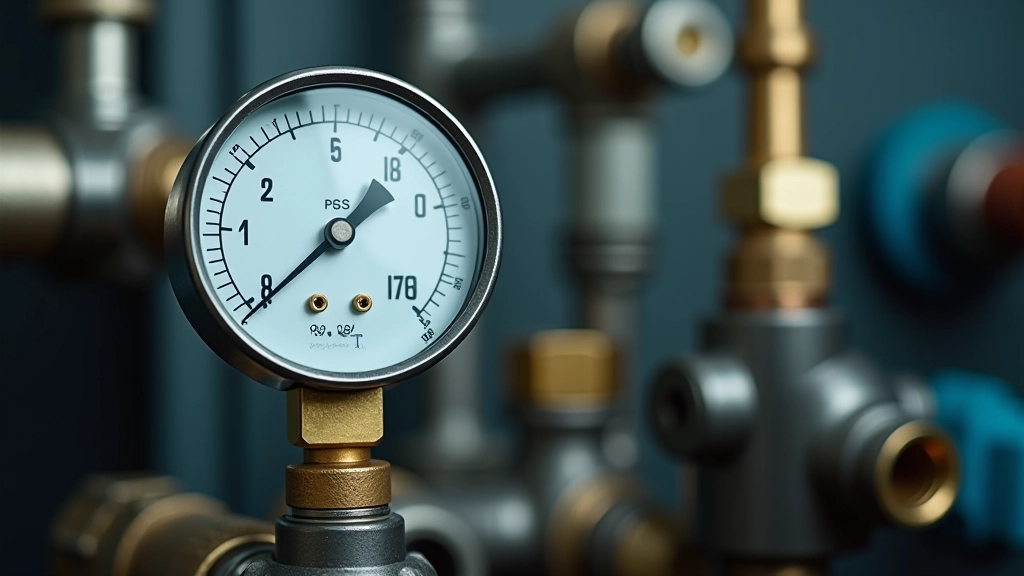
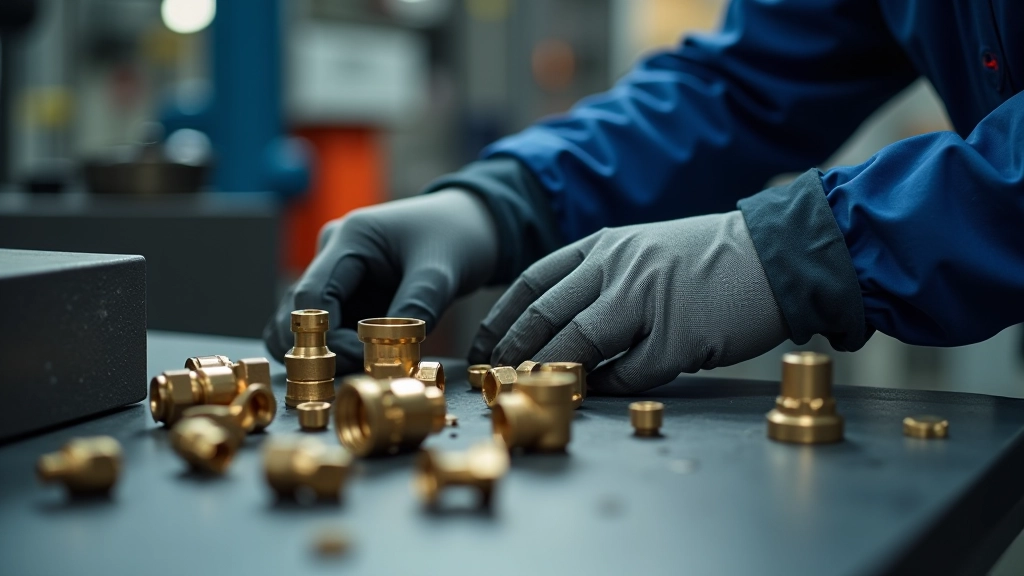
The golden rule: your fitting rating should be at least 4 times your system's working pressure. If your system runs at 2000 PSI, you'd want fittings rated for at least 3000 PSI minimum, but 5000 PSI is better. This 4:1 ratio is industry standard because it accounts for pressure spikes, vibration, and temperature fluctuations.
Start by knowing your system specs. Every hydraulic system has a rated working pressure in the documentation—that's your baseline. Don't guess or assume. If you can't find it, contact the equipment manufacturer. Once you've got that number, add a safety buffer and select your fittings.
You'll also need to consider the hose type. SAE and JIC fittings have different pressure ratings even in the same size. JIC fittings, with their 37-degree flare seat, typically handle higher pressures than equivalent SAE fittings. We've covered this in detail in our SAE vs. JIC guide—it's worth reviewing if you're mixing fitting types.
This guide is for educational purposes and general information about hydraulic fitting pressure ratings. Specific system requirements vary based on your equipment, application, and operating conditions. Always consult with equipment manufacturers, system engineers, or certified hydraulic specialists before selecting fittings for your system. Improper fitting selection can result in system failure, leaks, or safety hazards. vestroline assumes no liability for system performance or failures resulting from fitting selection decisions.
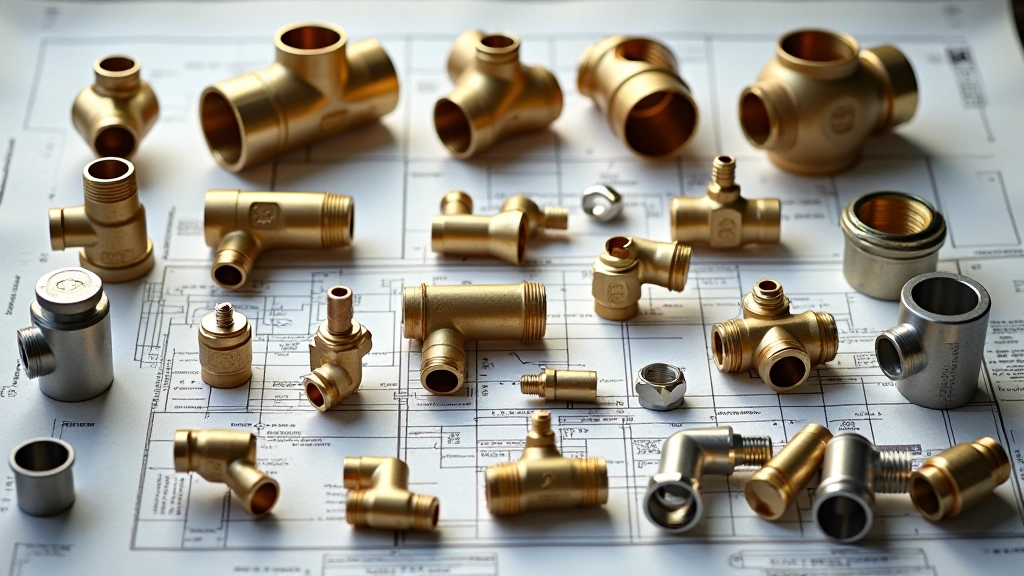
You'll encounter several pressure standards depending on your industry and equipment. SAE standards cover most industrial applications and include common ratings like 3000 PSI, 5000 PSI, and 6000 PSI. ISO standards are more universal and include metrics-based ratings. JIC flare fittings often come rated for 5000, 6000, or 10,000 PSI depending on the fitting size and material.
Most common in North America. Ratings: 3000, 5000, 6000 PSI. Use for general industrial hydraulics.
International metric-based standards. Cover 160 bar to 700 bar (2300–10,000 PSI). Essential for global equipment.
37-degree flare standard. Often higher pressure ratings than SAE in the same size. Common in precision systems.
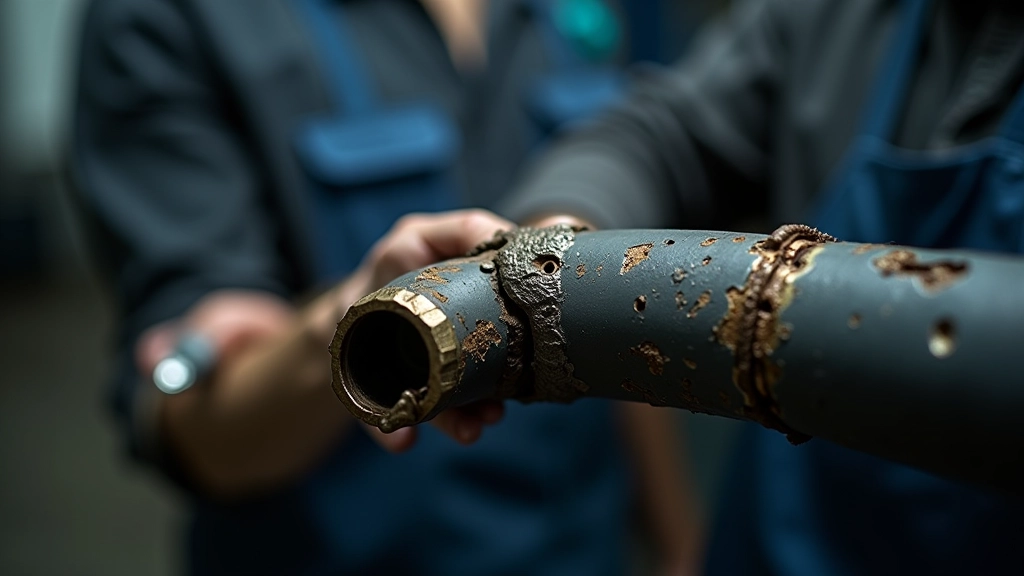
We've all seen the aftermath of a pressure mismatch. A fitting rated for 3000 PSI on a 5000 PSI system doesn't fail gracefully. You don't get a warning. The fitting just lets go—suddenly, explosively, and often at the worst possible moment. Hydraulic fluid under extreme pressure can cut through skin like a knife. Equipment stops. Production halts. Insurance claims pile up.
The other scenario is slower but equally problematic: undersized fittings that work fine at startup but weep and leak as pressure cycles build stress. That's when you discover the rating was marginal. Small leaks become bigger problems. Fluid contamination follows. Seals fail. What started as one cheap fitting ends up costing thousands in repairs and lost productivity.
That's why we always recommend oversizing rather than underestimating. A 5000 PSI fitting on a 2000 PSI system isn't wasteful—it's insurance. It'll outlast the hose, keep your system stable through pressure spikes, and give you confidence that you've done the engineering right.
Selecting the right pressure rating isn't complicated, but it does require attention. Know your system's working pressure, apply the 4:1 safety ratio, and choose fittings rated above that threshold. Don't cut corners on pressure ratings. The small extra cost of a properly rated fitting is nothing compared to the cost of downtime or injury from a failed system.
If you're assembling hoses or replacing fittings, take the time to verify specifications. Cross-reference SAE, ISO, and JIC standards if you're working with mixed equipment. When in doubt, consult the manufacturer or a hydraulic specialist. That conversation takes 10 minutes and prevents expensive mistakes.
Need help understanding your system's specifications or finding the right fittings?
Contact Us for Guidance
Learn the key differences between SAE and JIC fitting standards. We'll cover pre-assembly compatibility, pressure ratings, and when to use each type.
Read More
Step-by-step overview of proper hose assembly techniques. Covers measuring, cutting, crimping, and testing to ensure reliable connections.
Read More
Regular maintenance extends equipment life and prevents downtime. Learn the inspection schedule, fluid checks, and fitting care that keeps systems running.
Read More